
Spring Plant Sale
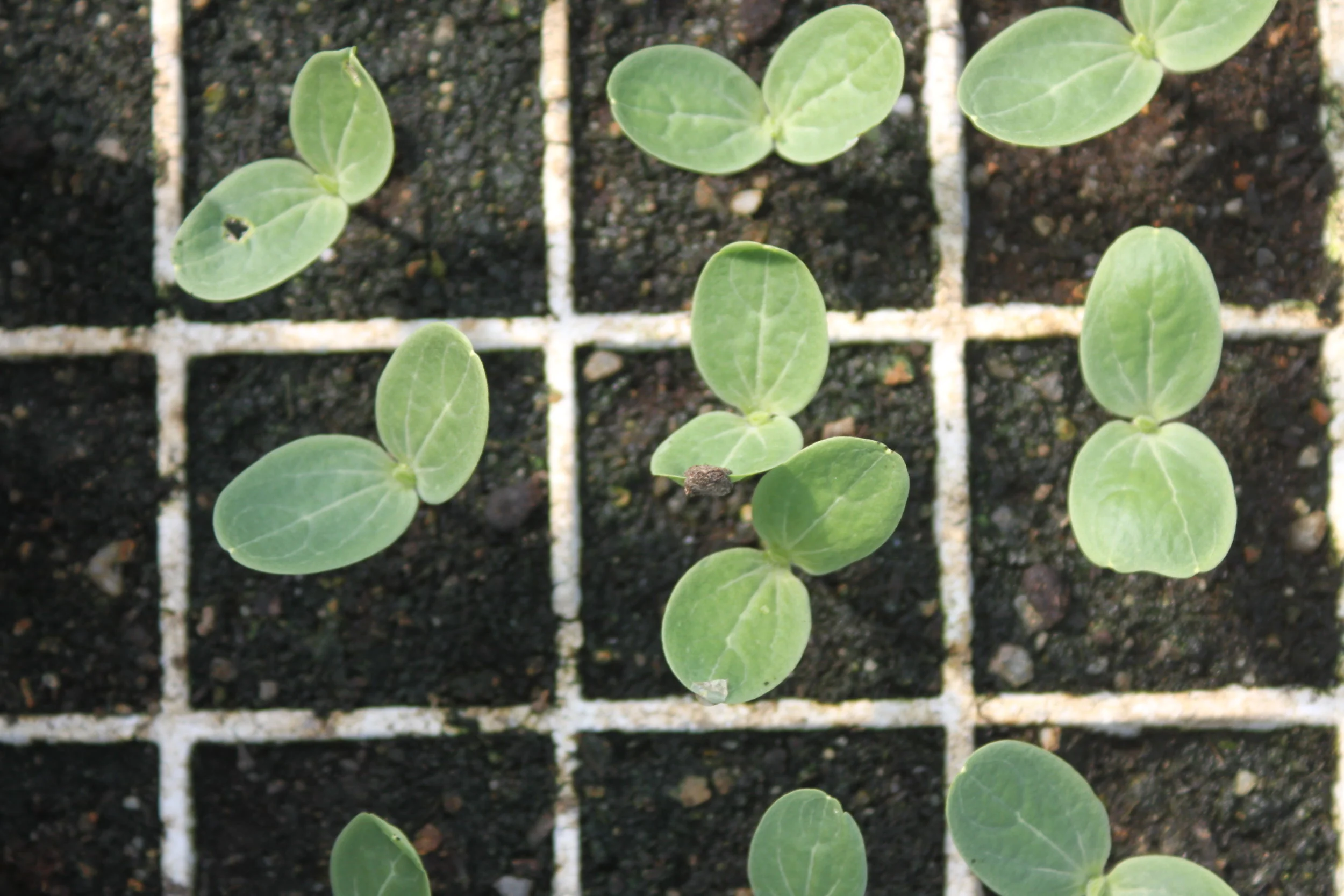
Start your garden with certified organic seedlings — vegetables and herbs raised right here in our greenhouses.
Vegetable & Herb Varieties
Grown from Seed in Our Greenhouses
Each spring we offer a hand-picked selection of vegetable and herb seedlings — the same varieties we grow on the farm, started from seed in our greenhouses and ready to transplant into your garden. Choose from heirloom tomatoes, sweet peppers, eggplant, summer squash, cucumbers, lettuce, and a generous lineup of culinary herbs.
Tomatoes
Plant in a sunny spot (at least 6–8 hours of direct sun) after your last frost date, spacing plants about 2–3 feet apart. Water deeply and consistently — about an inch per week — and use a cage or stake to keep plants upright as they grow. Feed with a tomato fertilizer once plants start flowering, and watch for any yellowing leaves, which usually just means they need a little more water or food.
Large
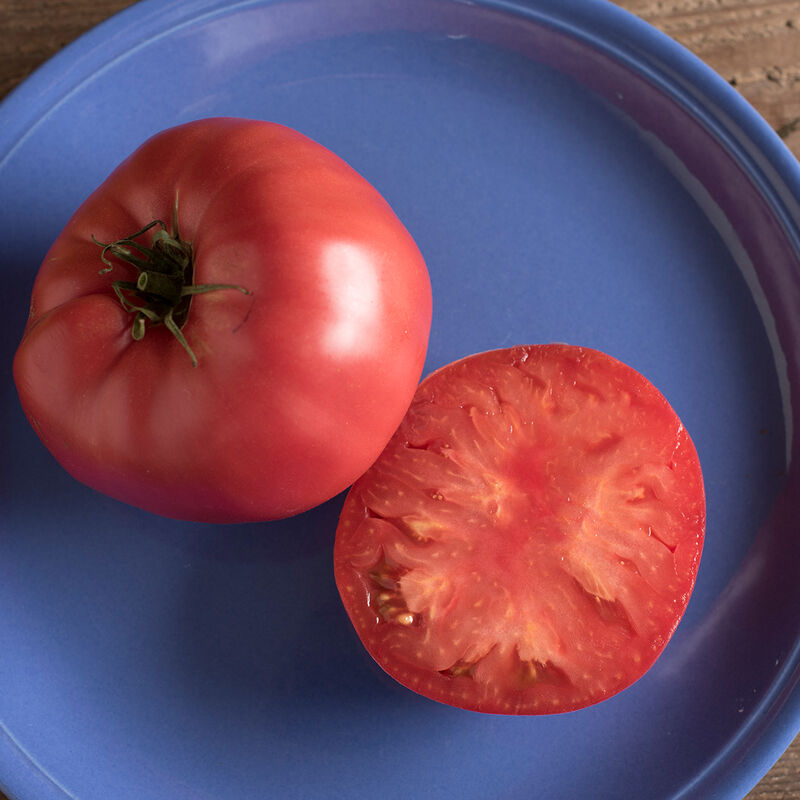
Brandywine
One of the best-tasting tomatoes. Very rich, bold, and distinctively spicy. The large fruits have a deep pink skin and smooth red flesh.
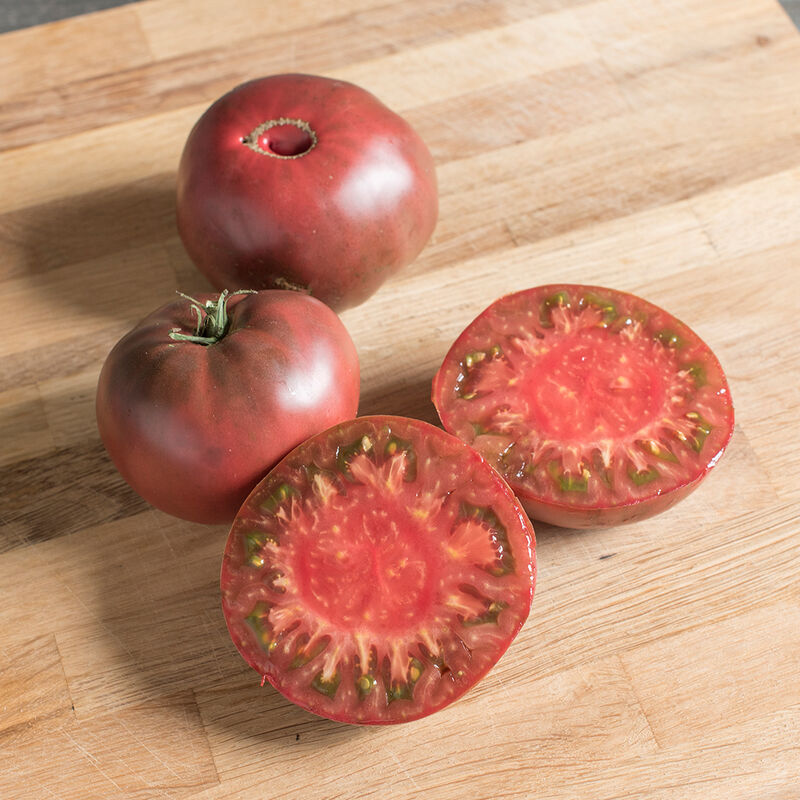
Cherokee Purple
Unusual variety with full flavor. Rich, complex, sweet flavor — one of the best tasting heirlooms. Color is dusky pink with dark shoulders. Interior ranges from purple to brown to green.
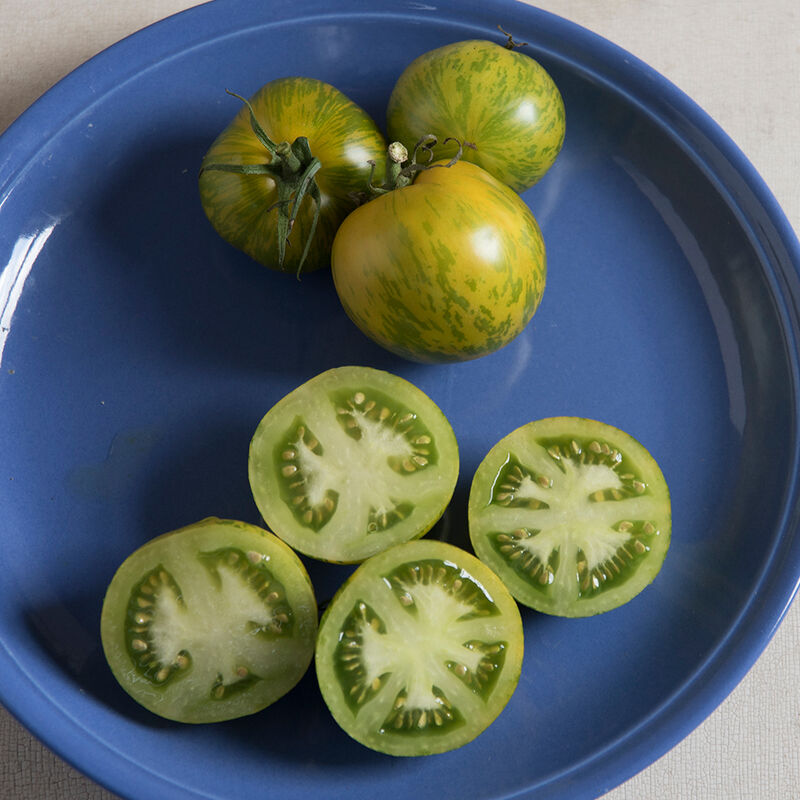
Green Zebra
Green-striped salad specialty. A delicious, green, tangy salad tomato — ripe just as the green fruit develops a yellow blush, accentuating the darker green stripes. Productive over a long season.
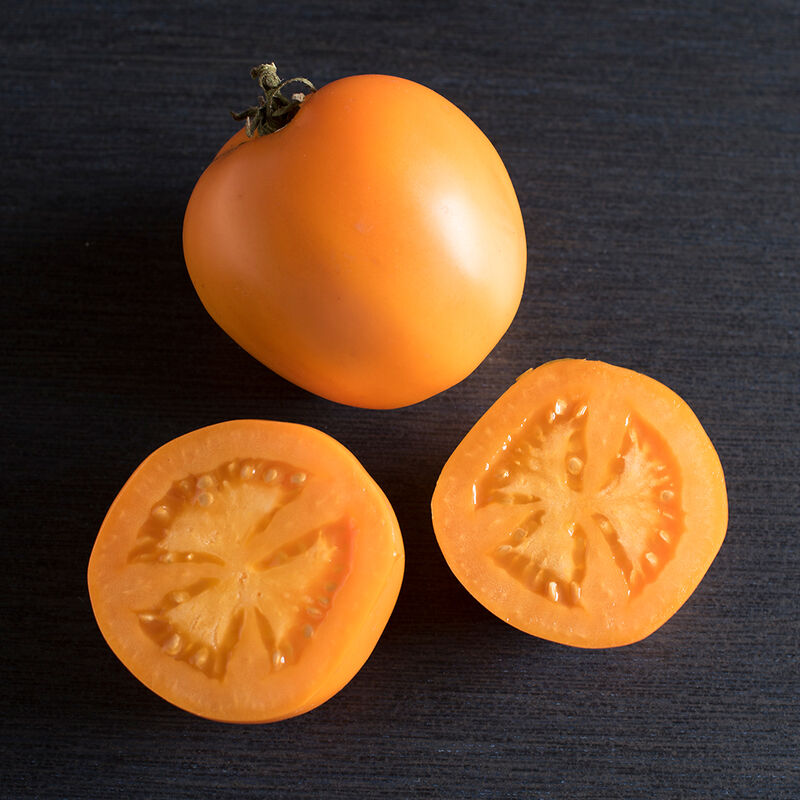
Valencia
Sunny orange fruits with full tomato flavor. Their meaty interiors have few seeds and are low in acid. This midseason tomato is among the best for flavor and texture.
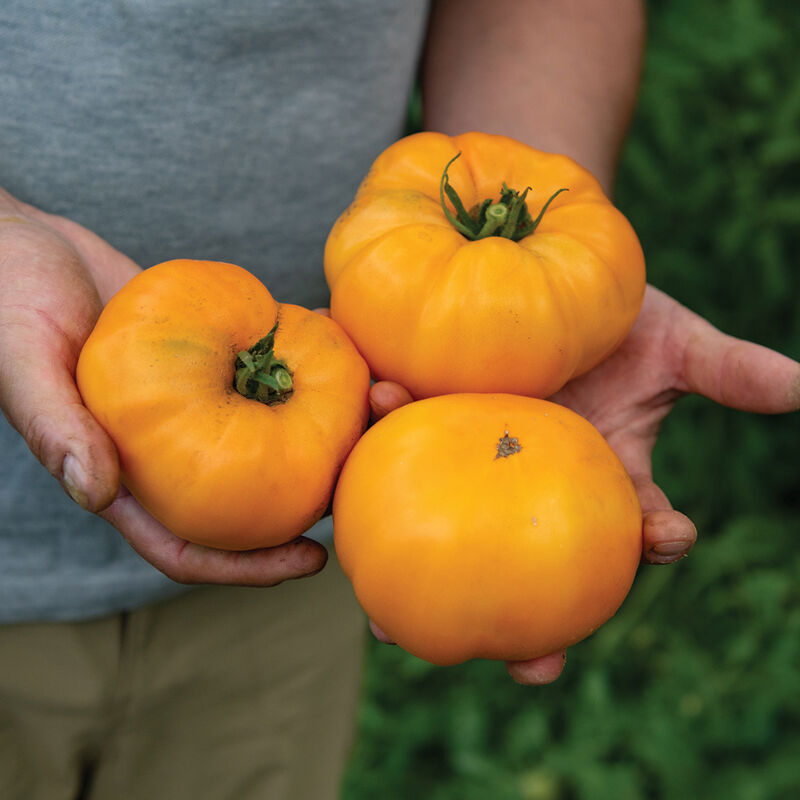
Dr. Wyche
One of the best tasting yellow tomatoes around. A beefsteak heirloom that produces slightly flattened, smooth, blemish-free, golden-yellow fruit with a meaty interior and few seeds.
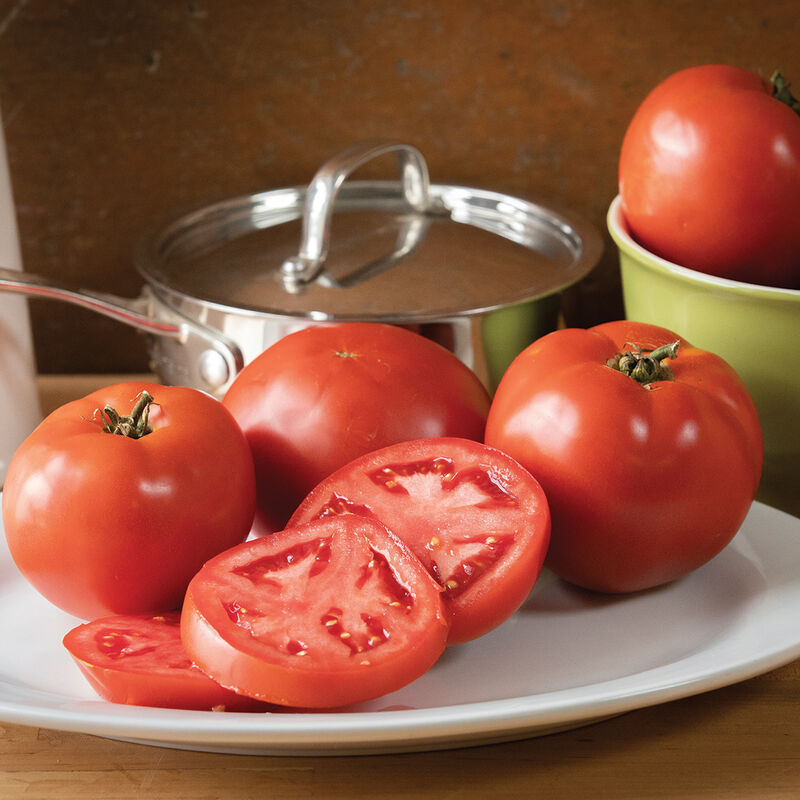
Big Beef
Large beefsteak-type tomato that is delicious, early to bear, and highly disease resistant. Will continue to fruit all summer.
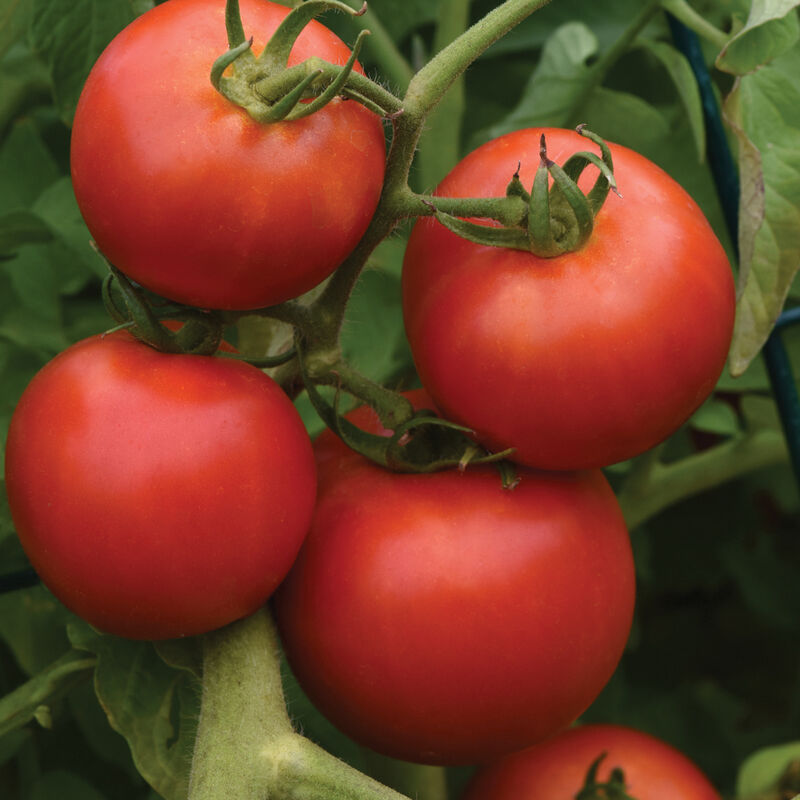
Early Girl
One of the first tomatoes to come in and will continue to produce all summer. Meaty tomato with incredible flavor and aroma. Disease resistant and adapts well to different climates.
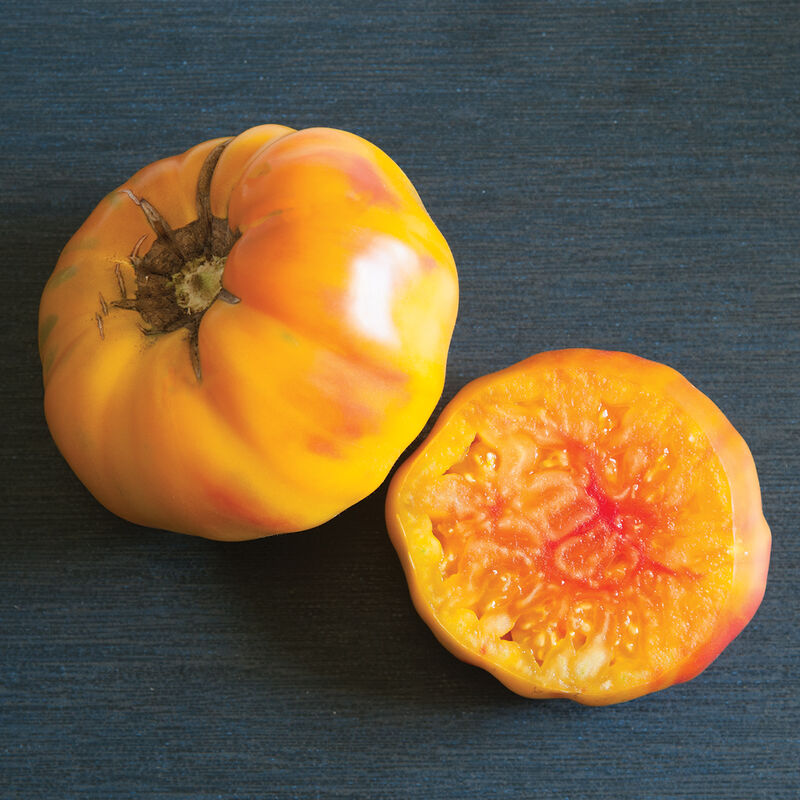
Striped German
A gorgeous bi-colored beefsteak — yellow with red marbling inside and out — with a mild, fruity sweetness. As beautiful to look at as it is to eat.
Cherry
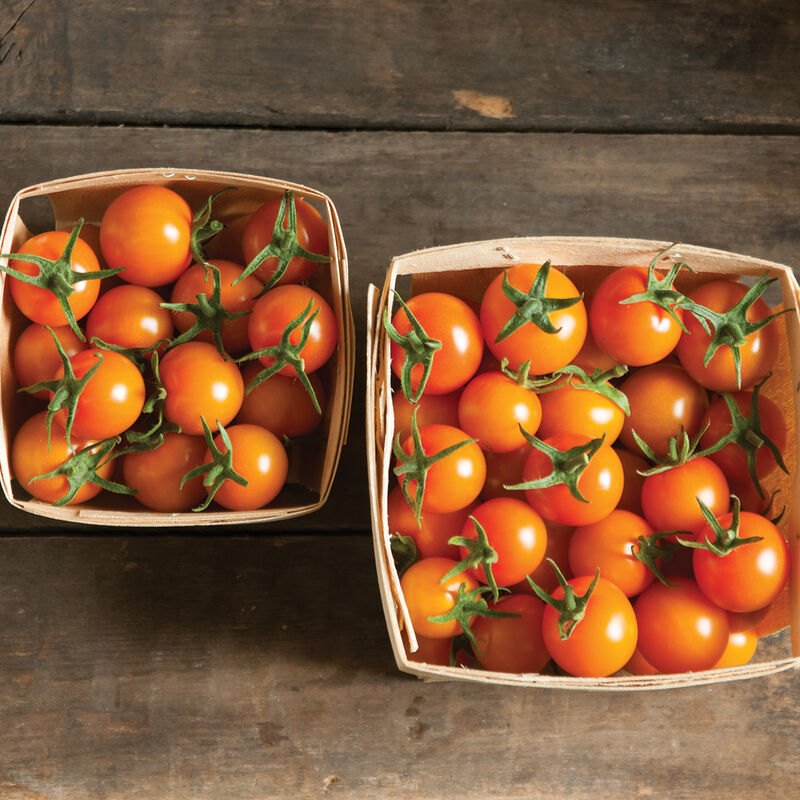
Sun Gold
Intense fruity flavor. Exceptionally sweet, bright tangerine-orange cherry tomatoes leave you begging for more! Vigorous plants start yielding early and bear right through the season.
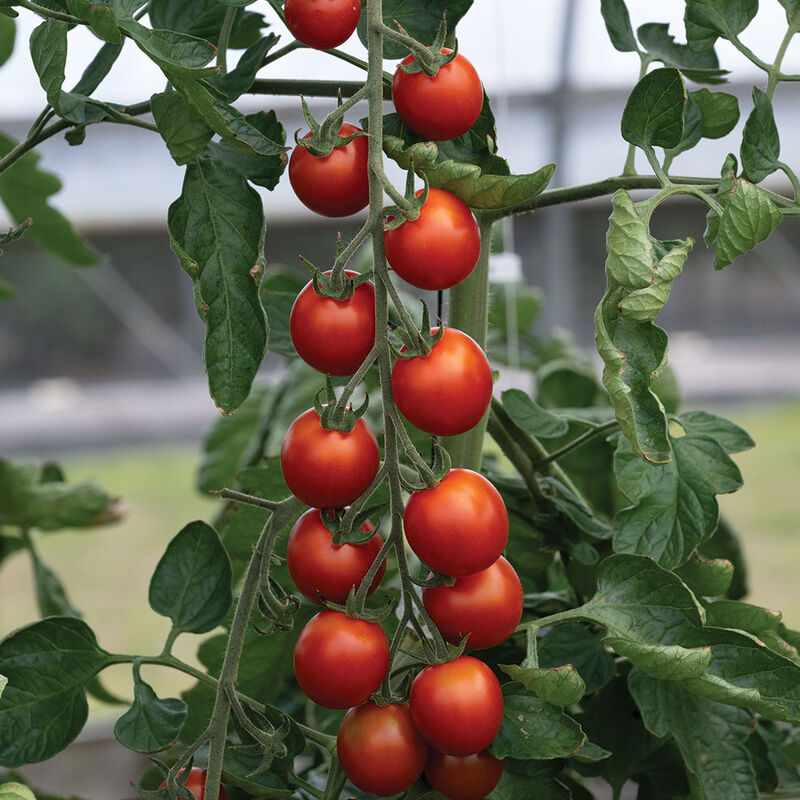
Red Cherry
Delicious and productive! This multiple-disease-resistant variety produces loads of round, deep-red cherries with fantastic taste. Early producers.
Saladette & Sauce
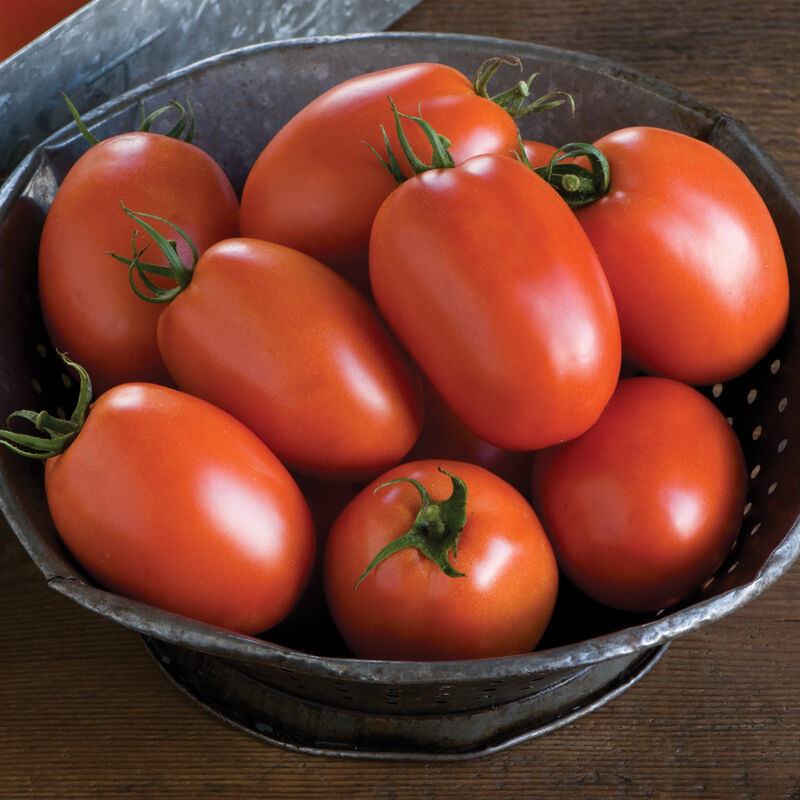
Plum
A productive plum tomato with late blight resistance. Fruits have a deep red color with good flavor. Disease resistant.
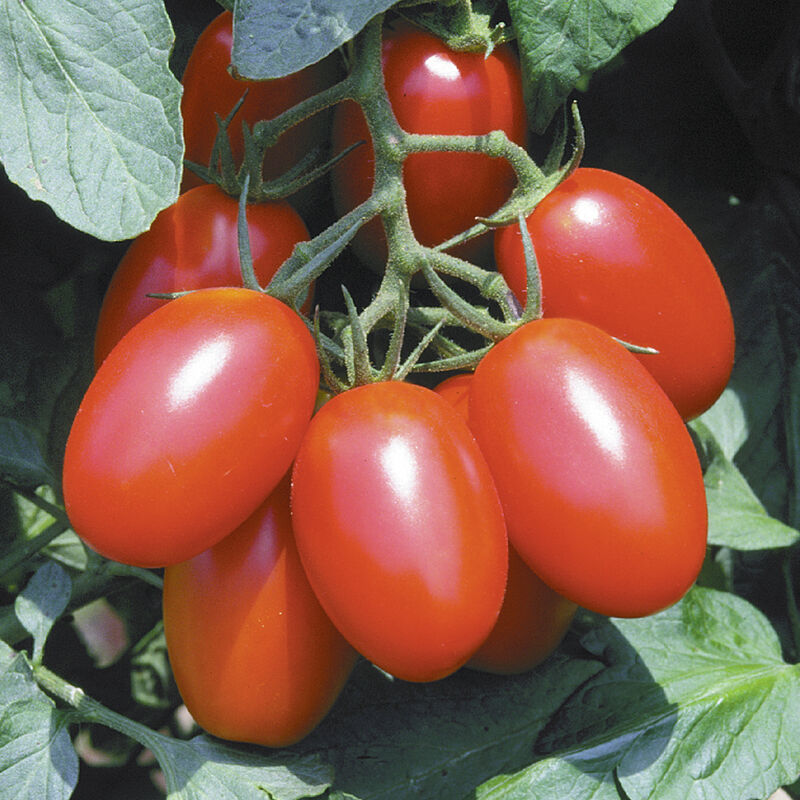
Juliet
Small mini-roma flavor — fresh or cooked. Juliet is one of the most disease-resistant plants. Delicious, rich tomato flavor for salads, salsa, or pasta sauce.
Peppers
Peppers love heat and sun, so plant them outside only after nights are consistently above 50°F. Space them about 18 inches apart in well-drained soil and water regularly, keeping the soil evenly moist but not soggy. They’re slow to get going but reward patience — once the weather warms up, they’ll take off and produce all summer.
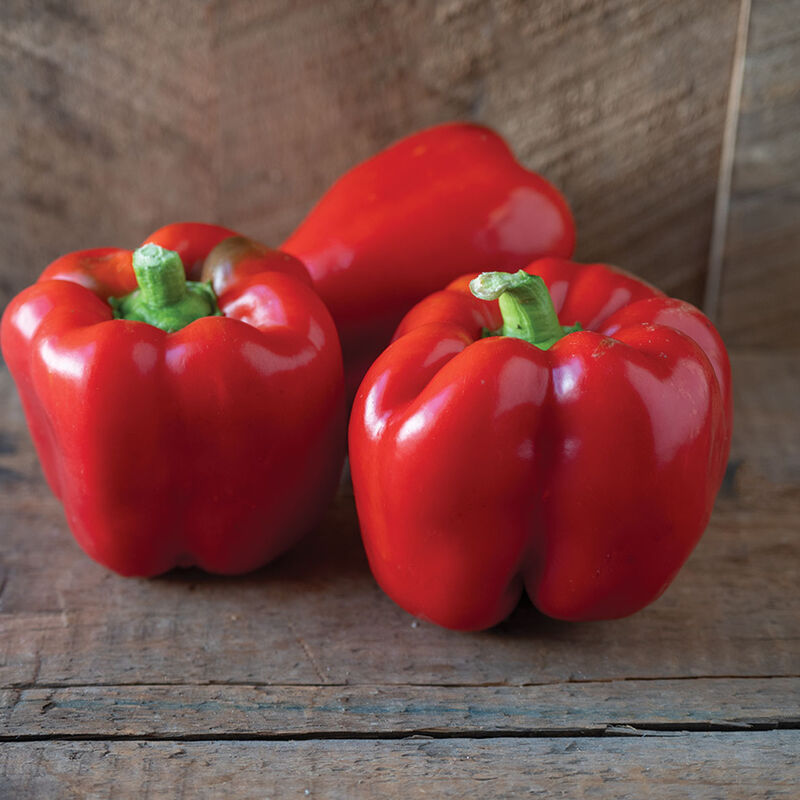
Sweet Bell
Sweet bell pepper. For early production of large green or red fruits. Plants are large and early to bear big crops of large, thick-walled fruits. Disease resistant.
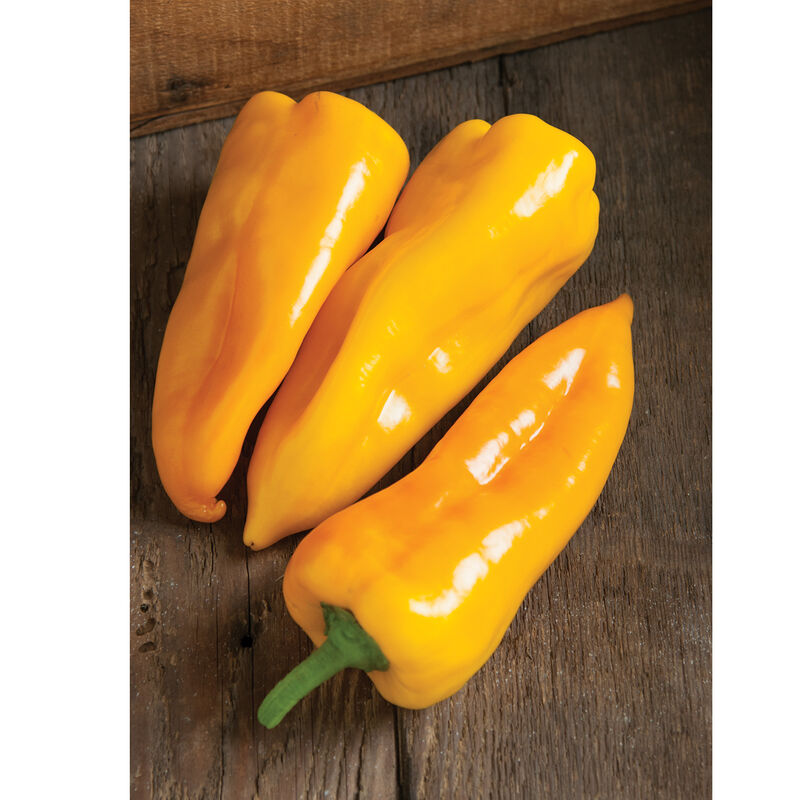
Escamillo
A bright yellow Italian-style sweet pepper with thick walls, fruity flavor, and great fresh-eating quality. Ripens earlier than many sweet varieties.
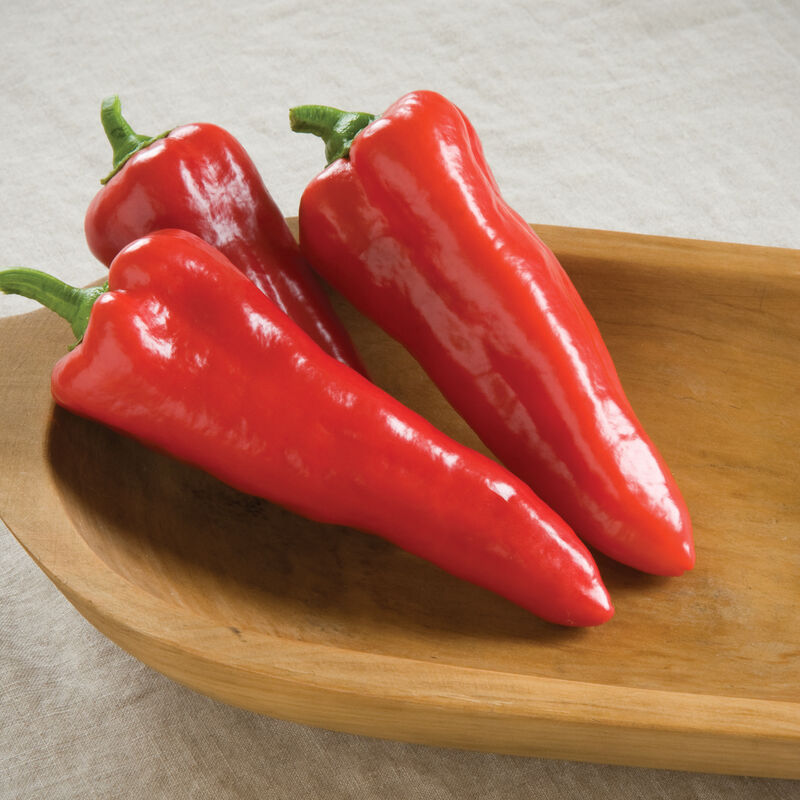
Carmen
An Italian frying pepper that ripens to a rich red, with sweet, tender flesh and a tapered shape that’s perfect for roasting whole or slicing into stir-fries.
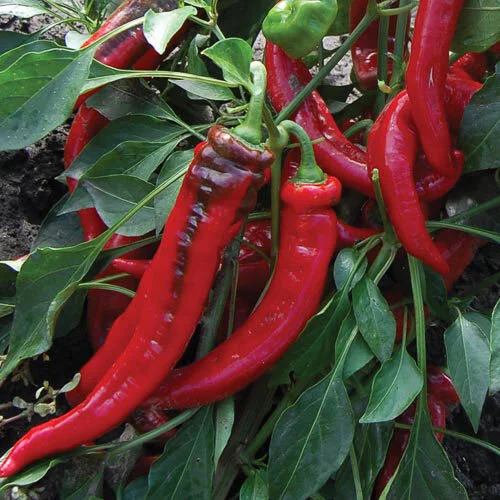
Jimmy Nardello
Sweet Italian frying pepper grown and cherished for generations. The long, slender, sweet fruit can be eaten straight from the plant. Ripens early, high yielding, disease resistant.
Eggplant
Eggplant is one of the most heat-loving vegetables, so wait until the weather is fully warm before planting outdoors. Choose the sunniest spot in your garden, space plants about 2 feet apart, and water consistently to keep the soil moist. Harvest fruits while they’re still glossy — dull skin is a sign they’ve been on the plant a bit too long.
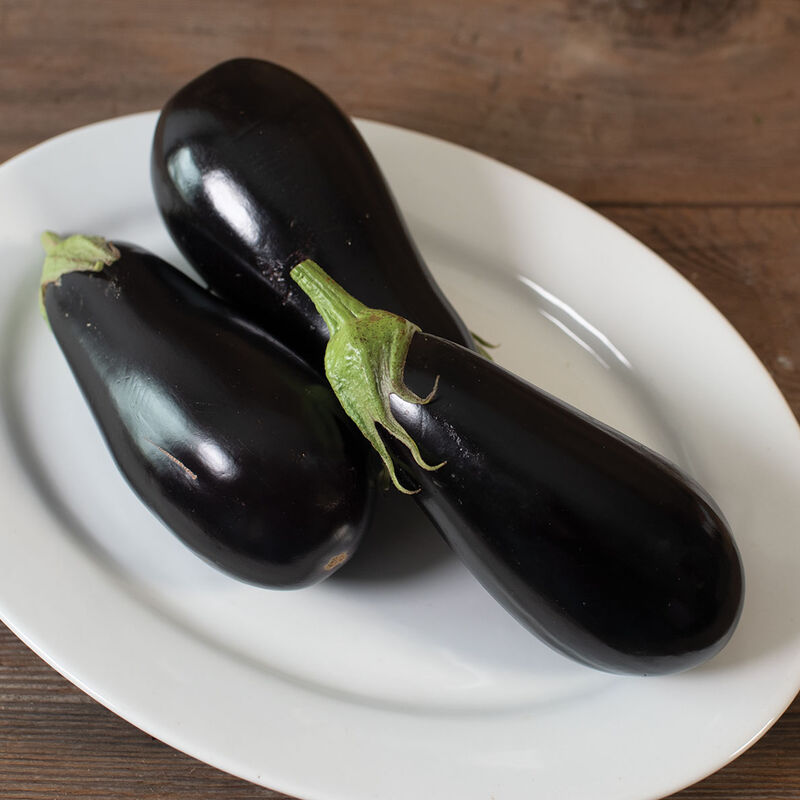
Italian
Traditional black Italian type. Glossy black fruit in the classic bell shape. Good flavor, very uniform, high-yielding plants.
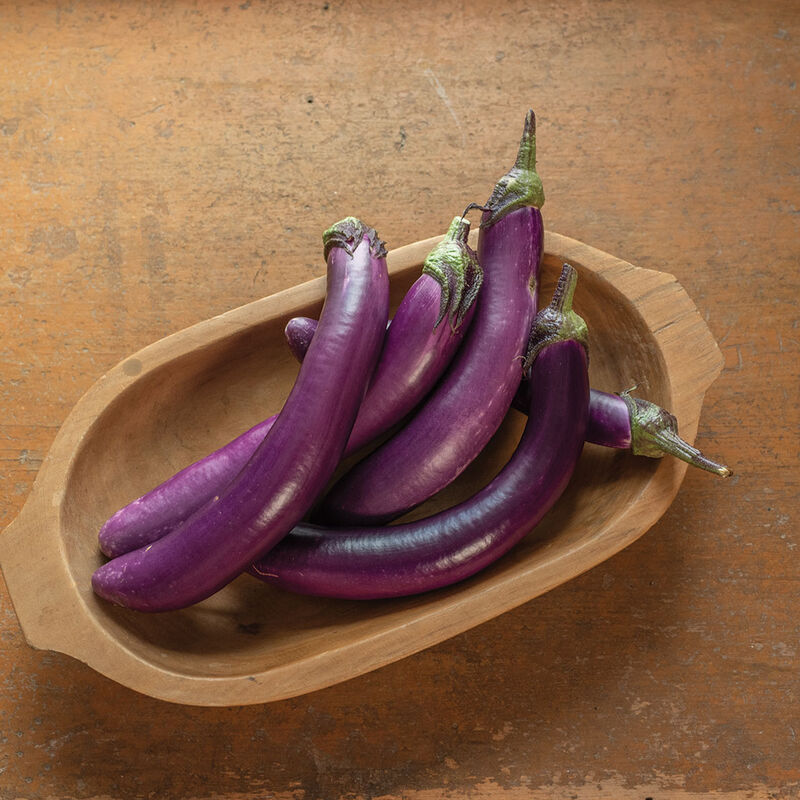
Asian
Dark purple, Asian type. Ready up to 2 weeks before other early varieties, with the ability to set fruit in cool weather as well as under heat stress. Tender, delicately flavored, and quick cooking.
Summer Squash
Summer squash is one of the easiest vegetables to grow — plant in full sun after the last frost and it practically takes care of itself. Give each plant plenty of room (about 3 feet apart) since they spread out quickly, and water at the base of the plant rather than overhead. Check plants every couple of days once they start producing — zucchini and yellow squash can go from perfect to enormous almost overnight!
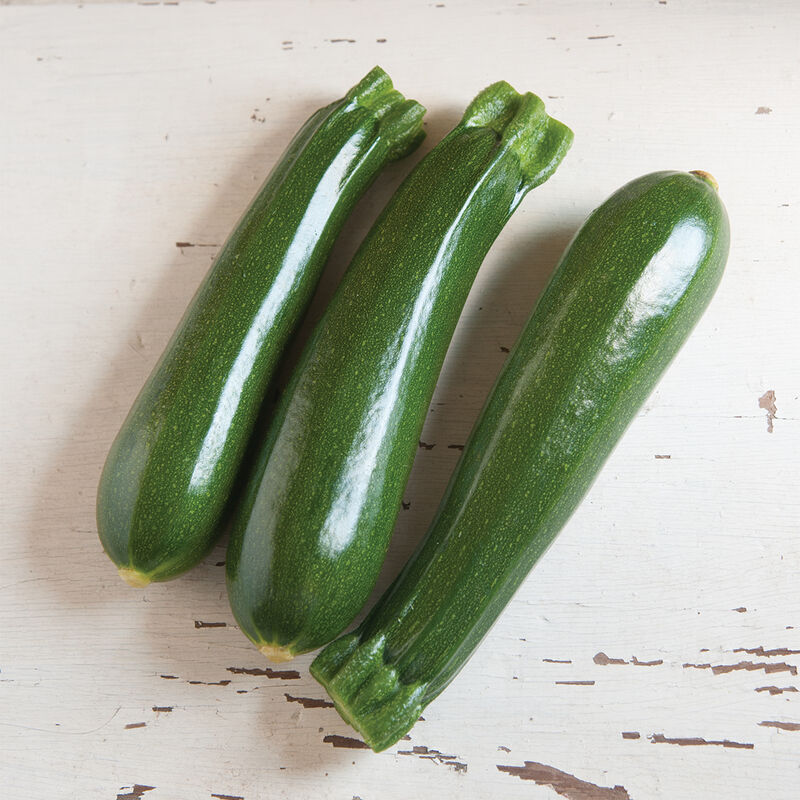
Zucchini
The quintessential summer squash: fast-growing, enormously productive, and best harvested young when the flesh is sweet and the skin is tender. Dark green, mild, and endlessly versatile in the kitchen.
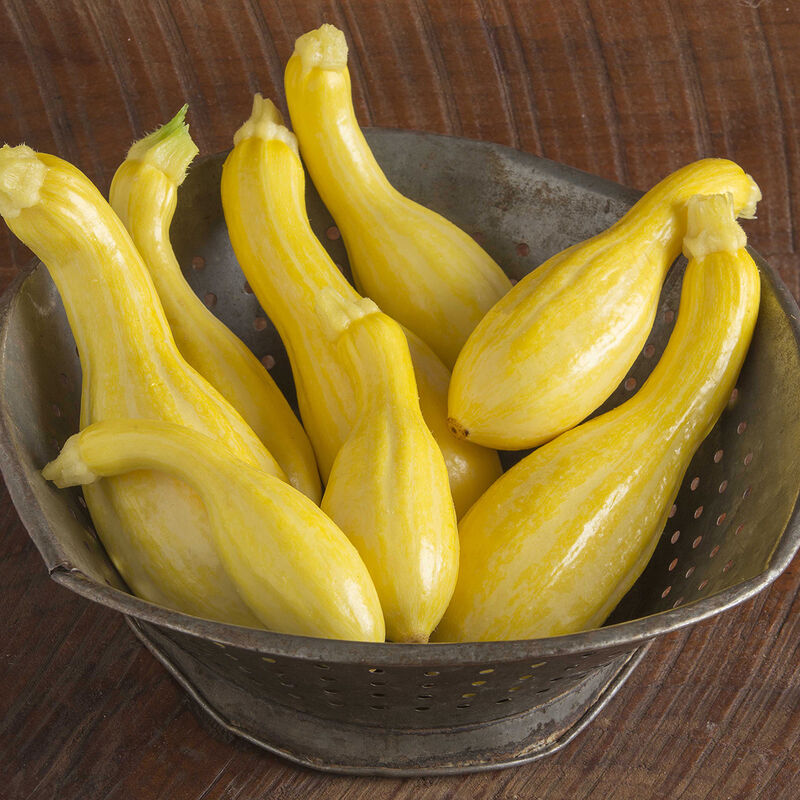
Yellow Squash
A sunny, straight-necked yellow squash with mild flavor and a slight sweetness that makes it a summer staple. Equally good raw, grilled, or in a sauté.
Cucumbers
Plant cucumbers in full sun once the soil has warmed up, spacing transplants about 12–18 inches apart. They grow fast and love to climb, so a simple trellis or tomato cage will keep them tidy and make harvesting easy. Water regularly — cucumbers are mostly water, so consistent moisture is key to crisp, bitter-free fruit.
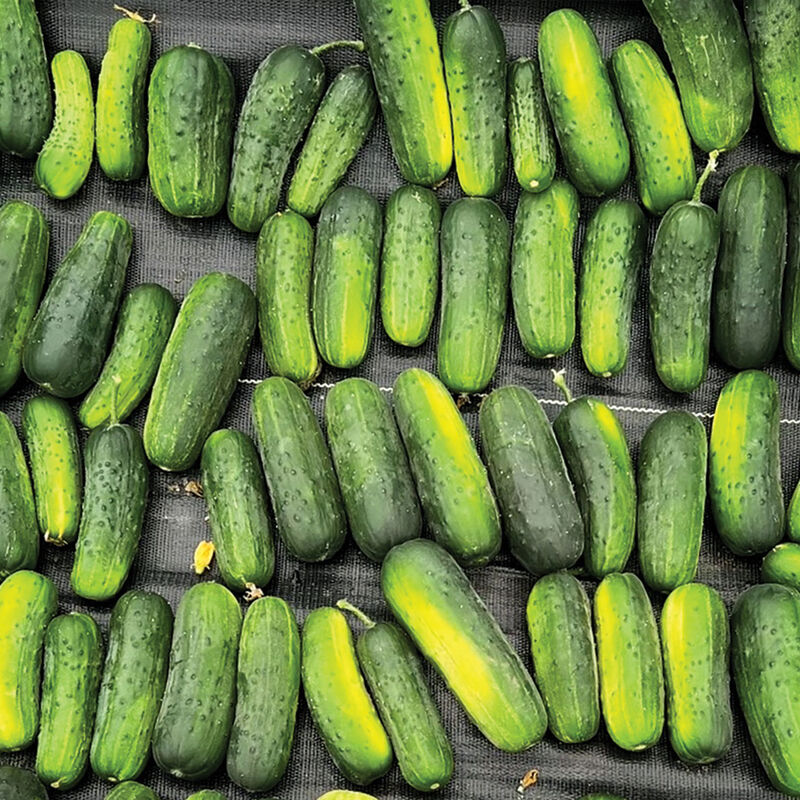
Pickling
A compact, thin-skinned cucumber bred for making crisp, flavorful pickles — but just as good fresh off the vine. Sets fruit abundantly and matures quickly.
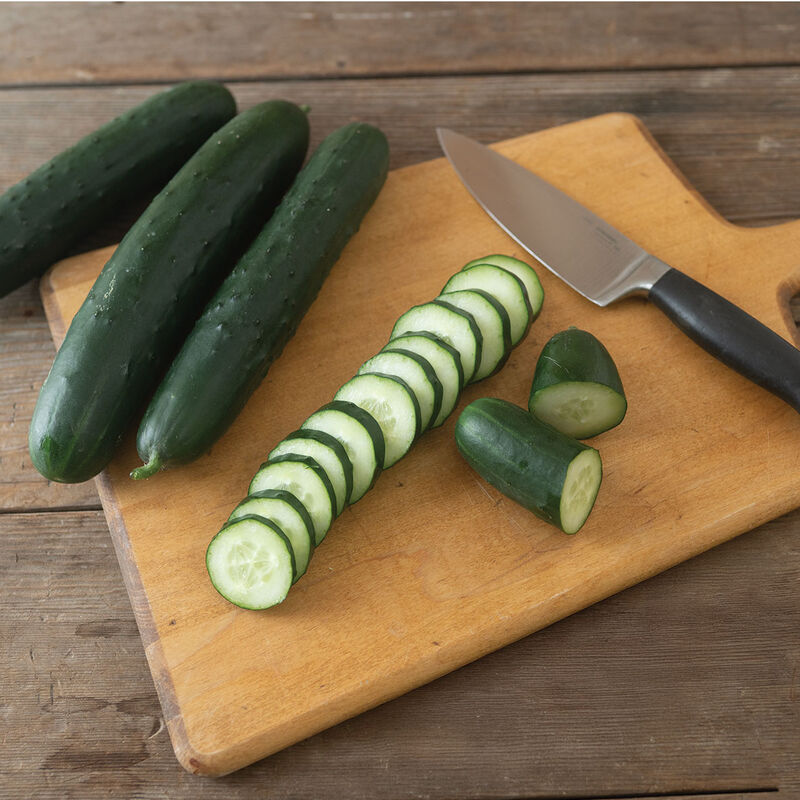
Slicing
A longer, smoother cucumber with mild flavor and a satisfying crunch. The classic choice for salads, sandwiches, and snacking straight from the garden.
Lettuce
Lettuce prefers cooler weather, making it ideal for spring and fall growing — it can even tolerate a light frost. Plant in a spot with morning sun and some afternoon shade, keep the soil consistently moist, and you’ll be harvesting leaves in as little as 4–6 weeks. Pick outer leaves as you need them and the plant will keep producing for weeks.
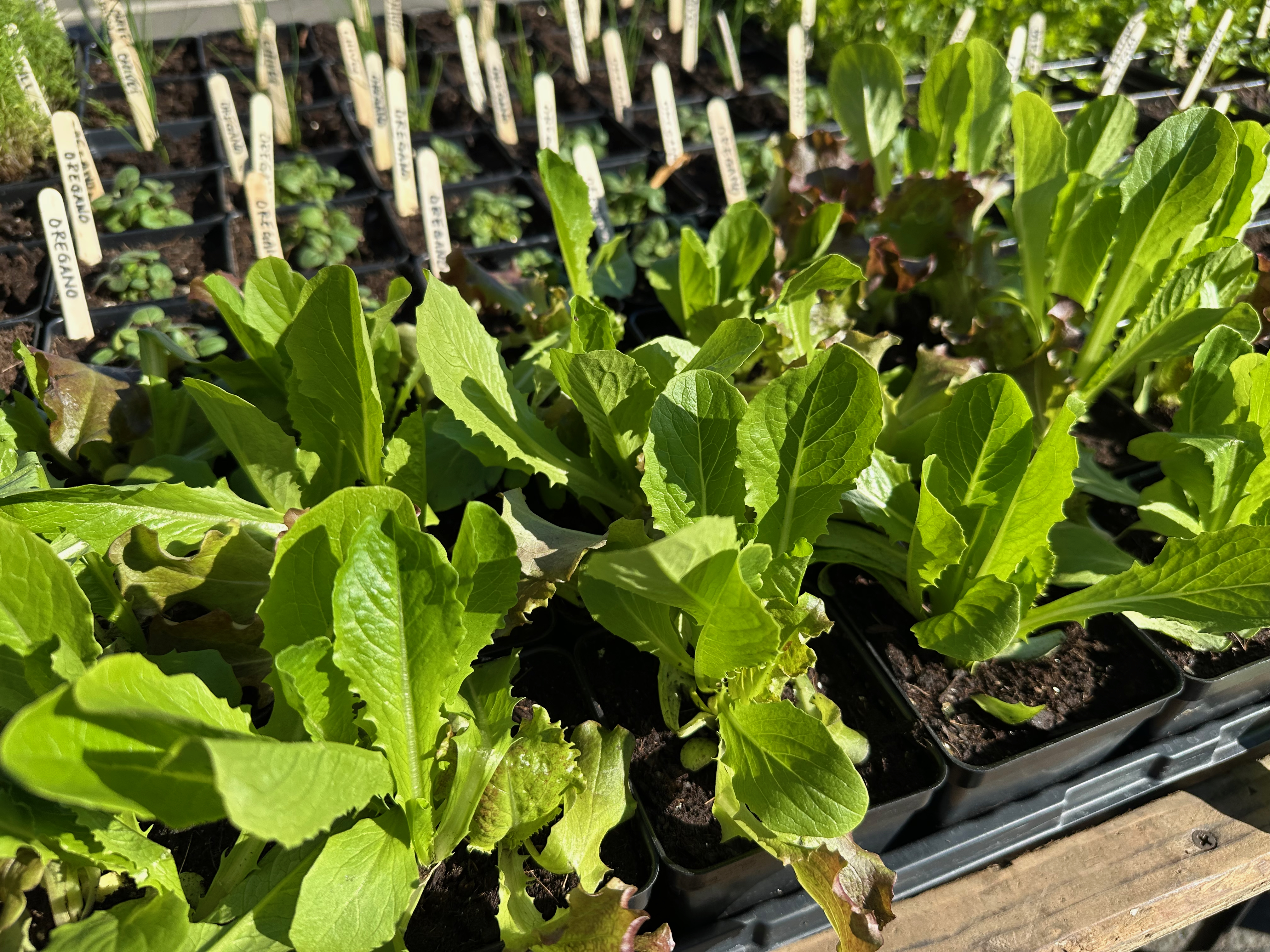
Assorted Varieties
A rotating mix of lettuce types for crisp, colorful salads all spring long.
Herbs
Most herbs thrive in a sunny spot with well-drained soil and need only moderate watering — they actually prefer to dry out a little between waterings. Pinch off any flower buds as they appear to keep plants bushy and producing flavorful leaves all season. Herbs do wonderfully in containers on a patio or kitchen windowsill if you don’t have a garden bed.
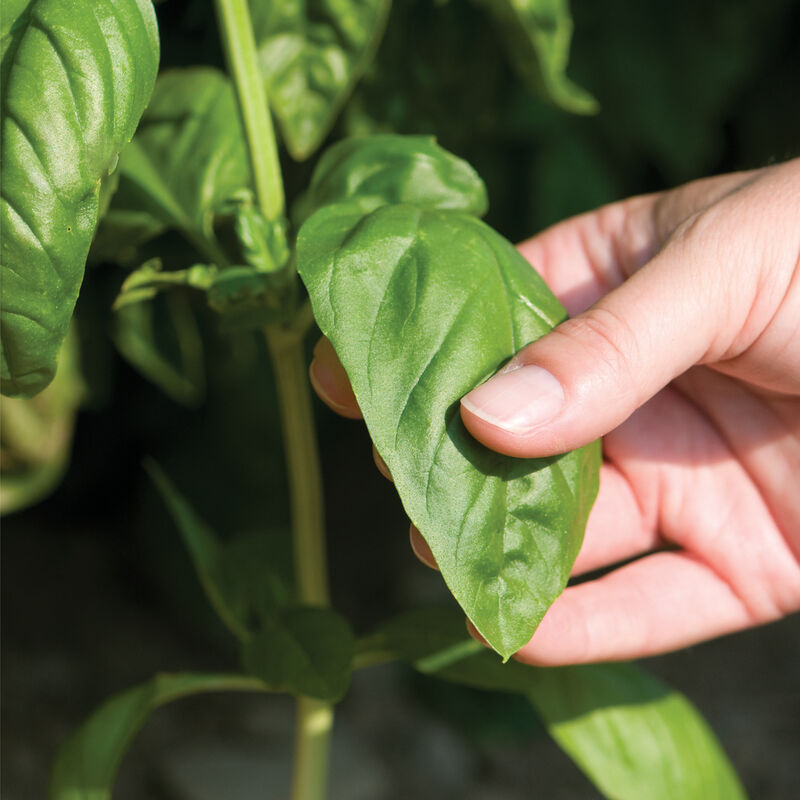
Genovese Basil
Italian variety with authentic flavor and appearance. Relatively slow to bolt, and adds great flavor to soups, salads, and pastas.
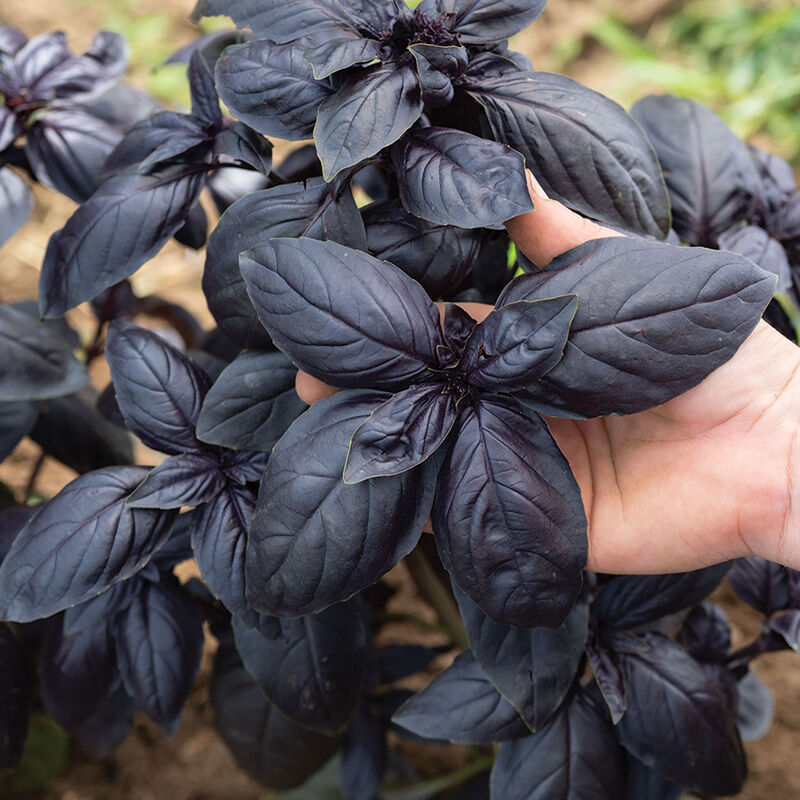
Purple Basil
Intense basil flavor with a dark purple color that has a great flavor and also makes a colorful garnish.
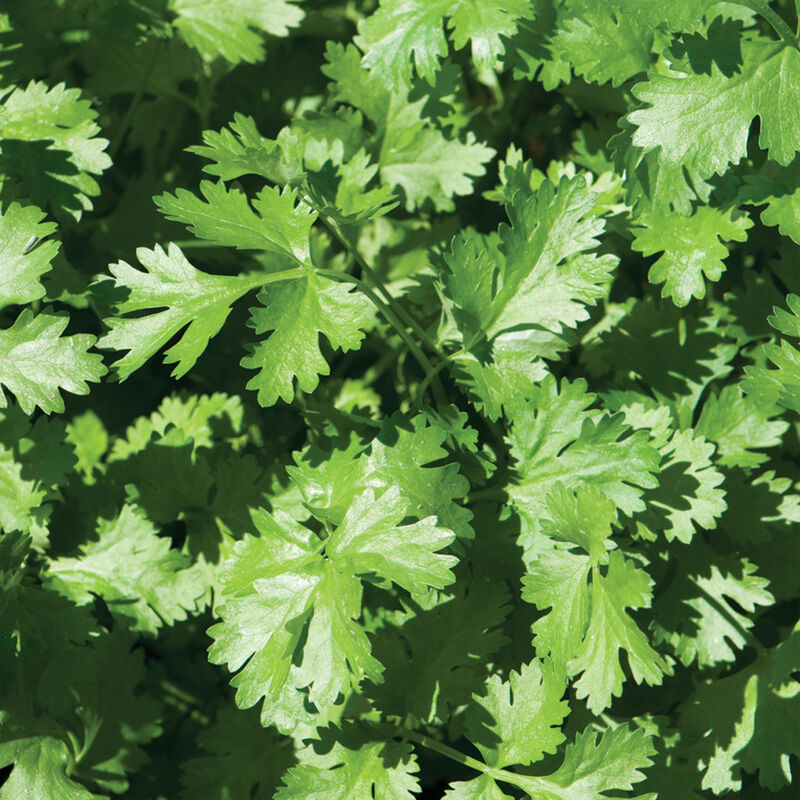
Cilantro
Great fresh herb widely used in Asian, Caribbean, and Latin American cuisines. Its distinctive flavor lends itself to highly spiced foods.
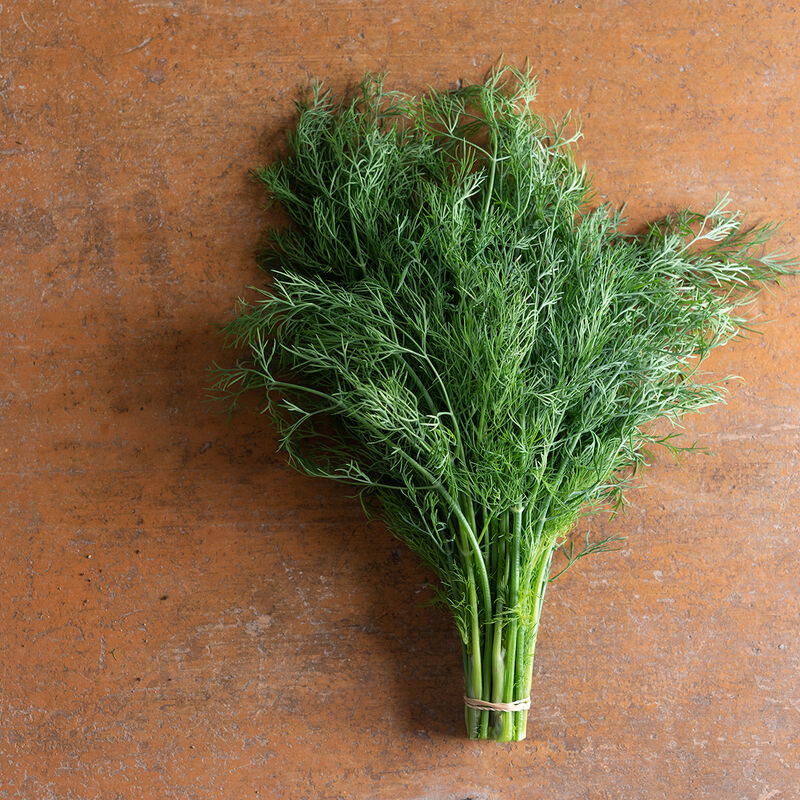
Dill
High-yielding foliage provides both seeds and greens to flavor many foods. A popular addition to sauces and a must for making pickles.
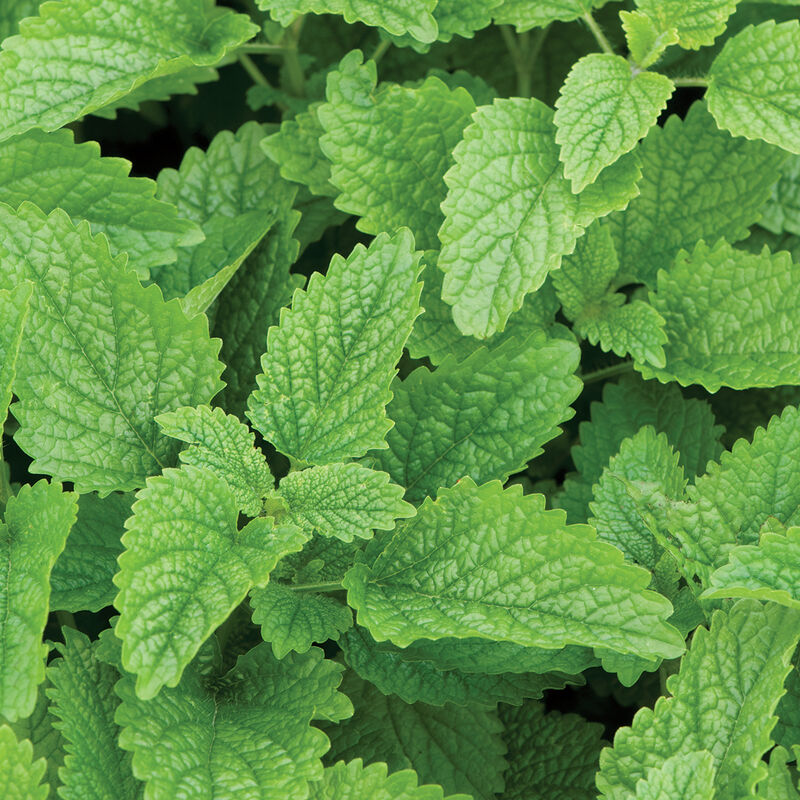
Lemon Balm
This lemon-scented herb is easy to grow in moist, well-drained soil. The fresh leaves are great for tea and salads.
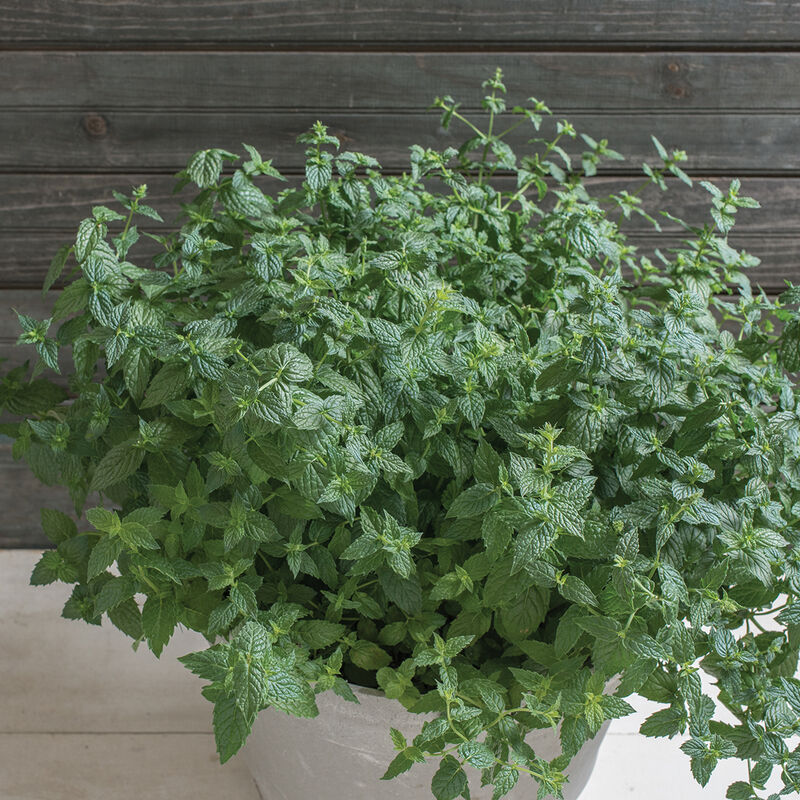
Mint
This zesty, versatile herb can be used to flavor salad mix, main dishes, ice cream, and drinks.
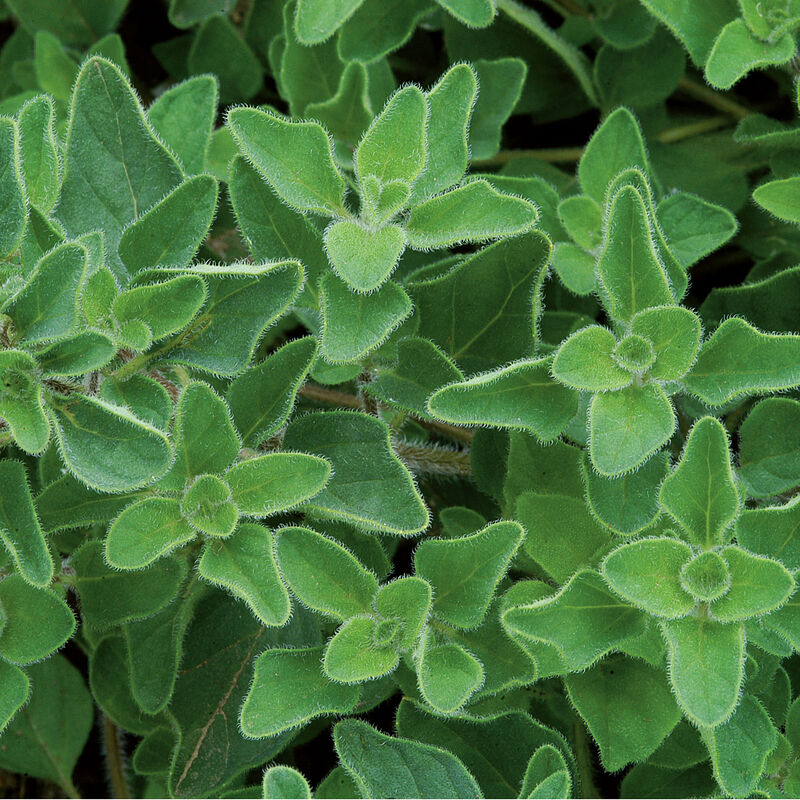
Oregano
The strong aroma and flavor is a necessity for great pizza and Italian cooking.
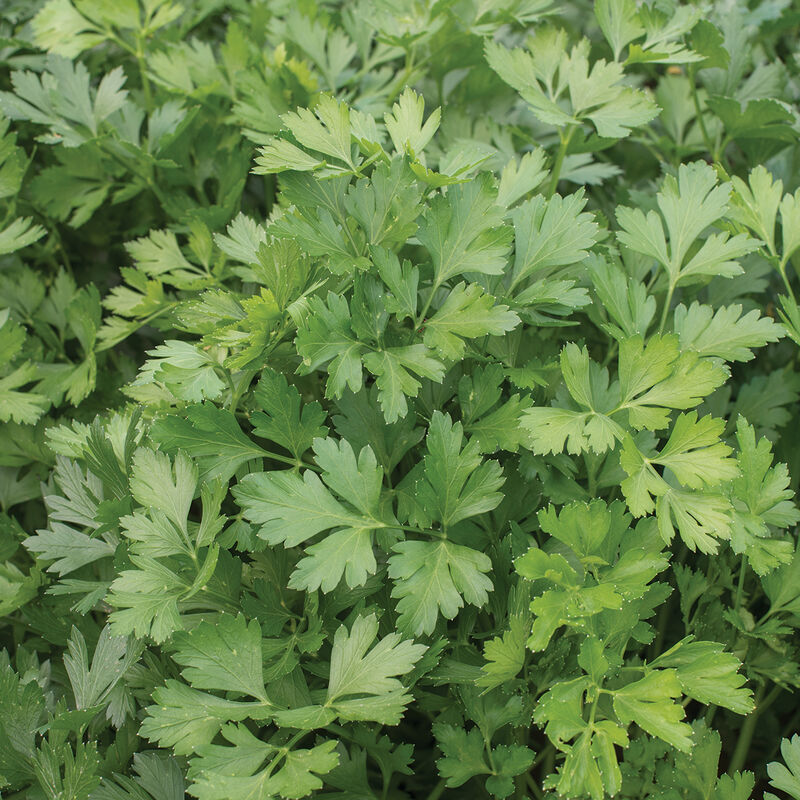
Parsley
High-yielding fresh herb widely used in Middle Eastern, European, Brazilian, and American cooking. For best yields, provide ample water and fertility.
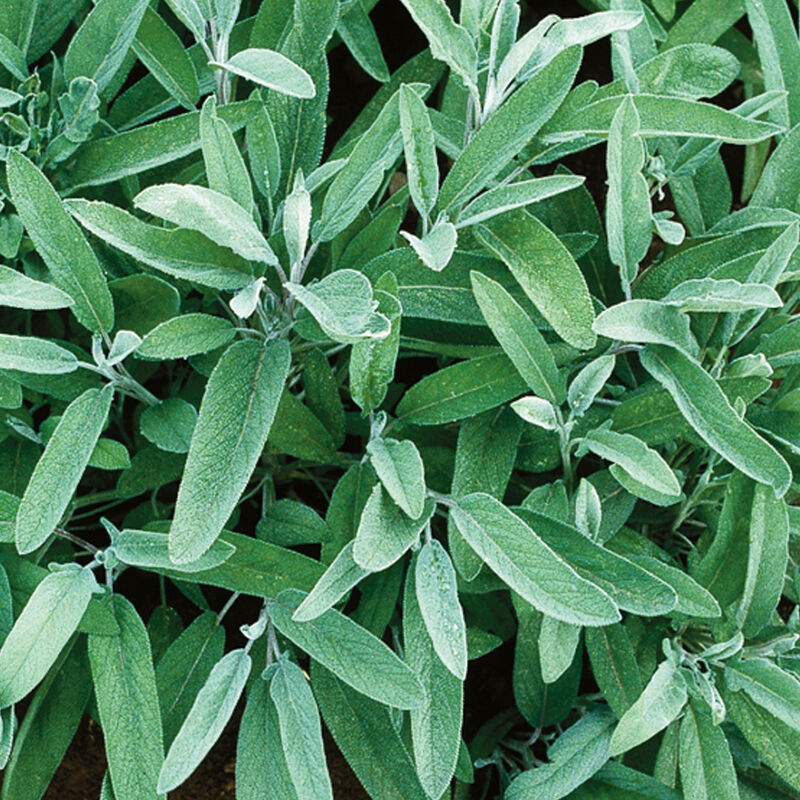
Sage
The handsome dusty-green leaves can be used in dressings, sausage, salted herbs, sauces, and tea.
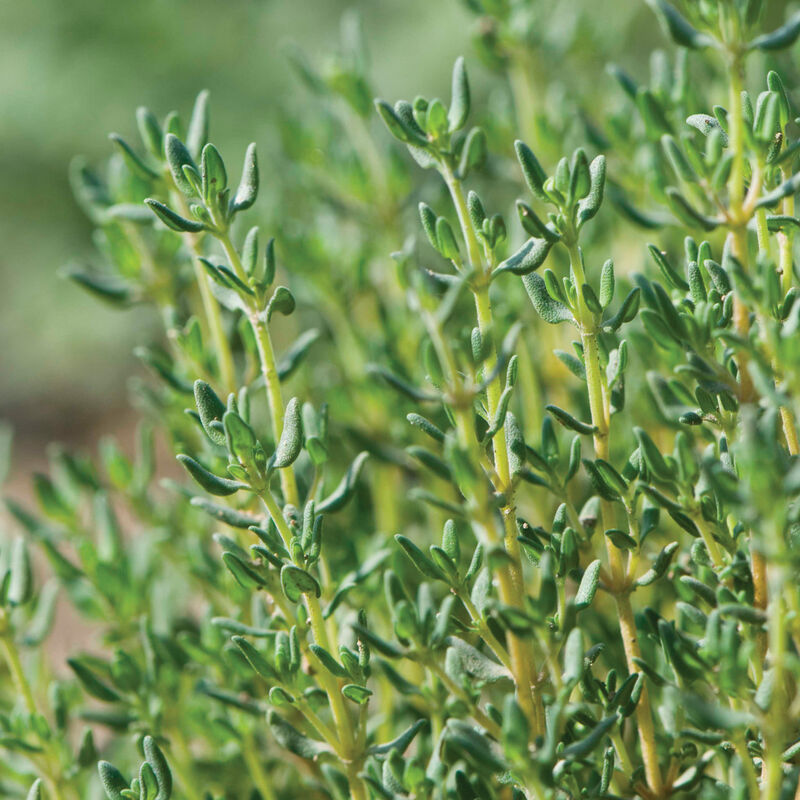
Thyme
The small, round to needle-shaped, evergreen leaves on woody stems are culinary versatile. Leaves can also be used in tea for sore throat and coughs.
Come Find Us
Our spring plant sale travels with us to the markets — stop by, say hello, and bring home a few seedlings to start your own garden.
Find a Market →